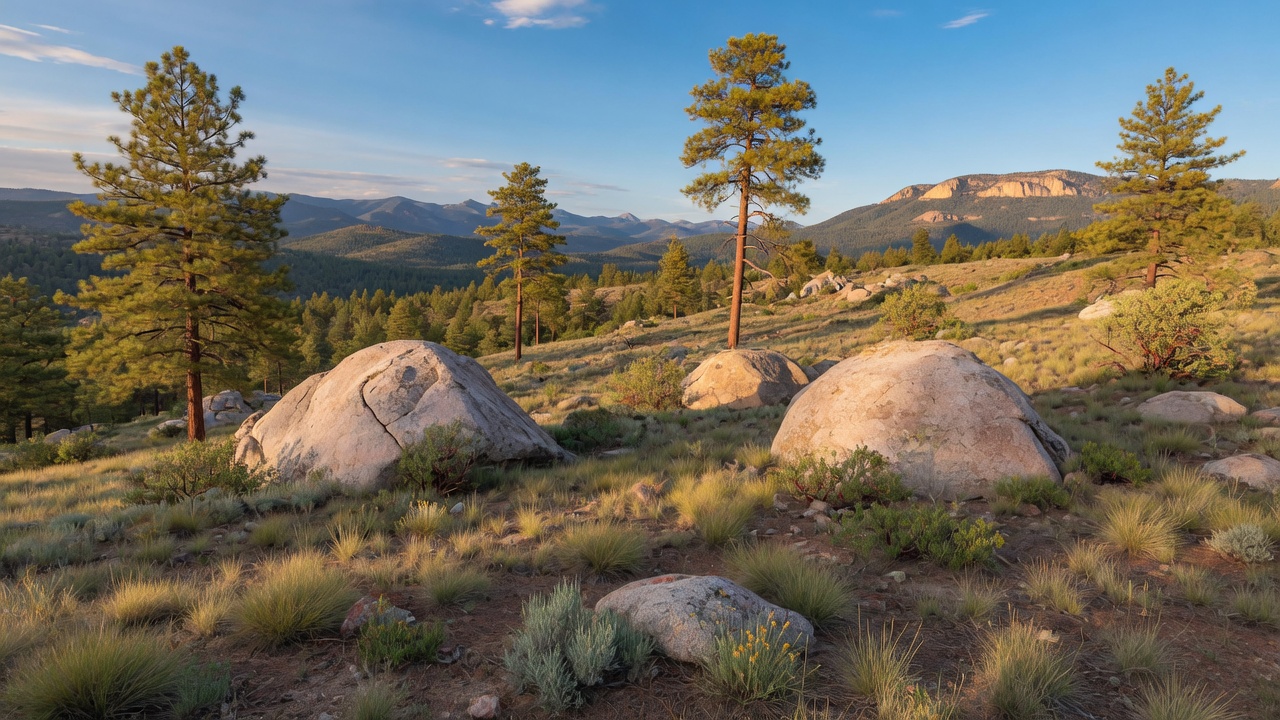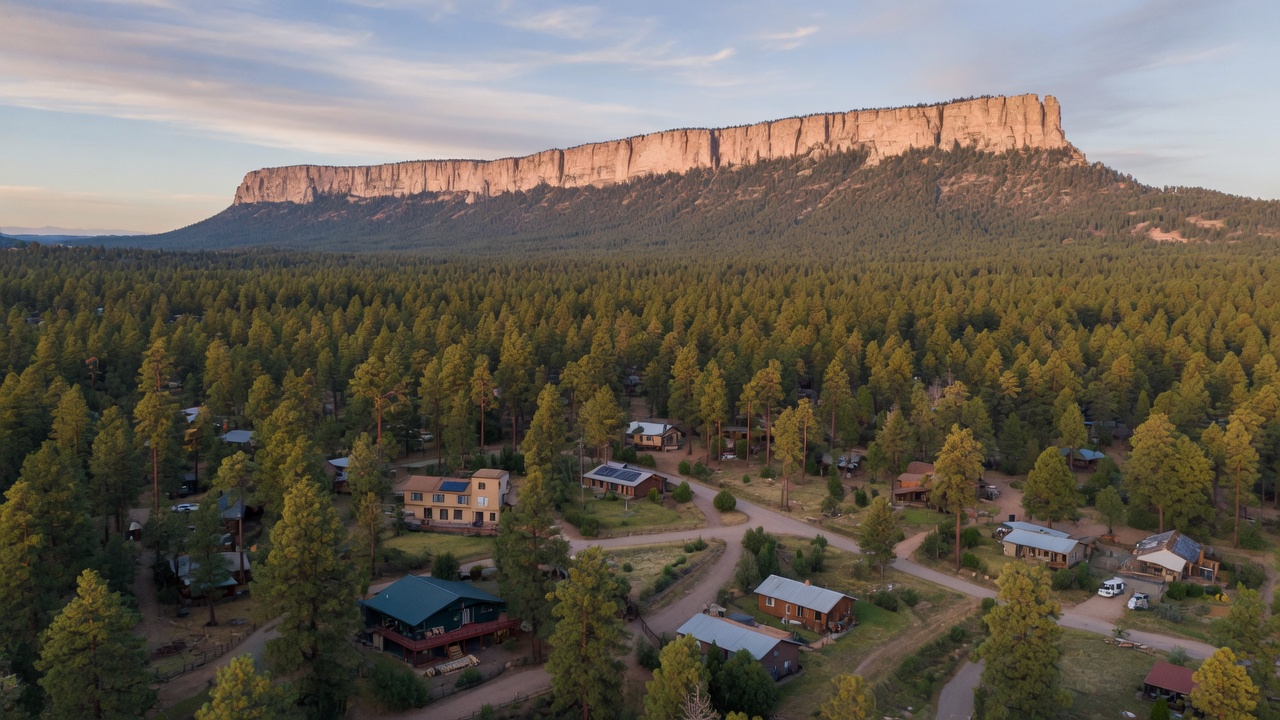
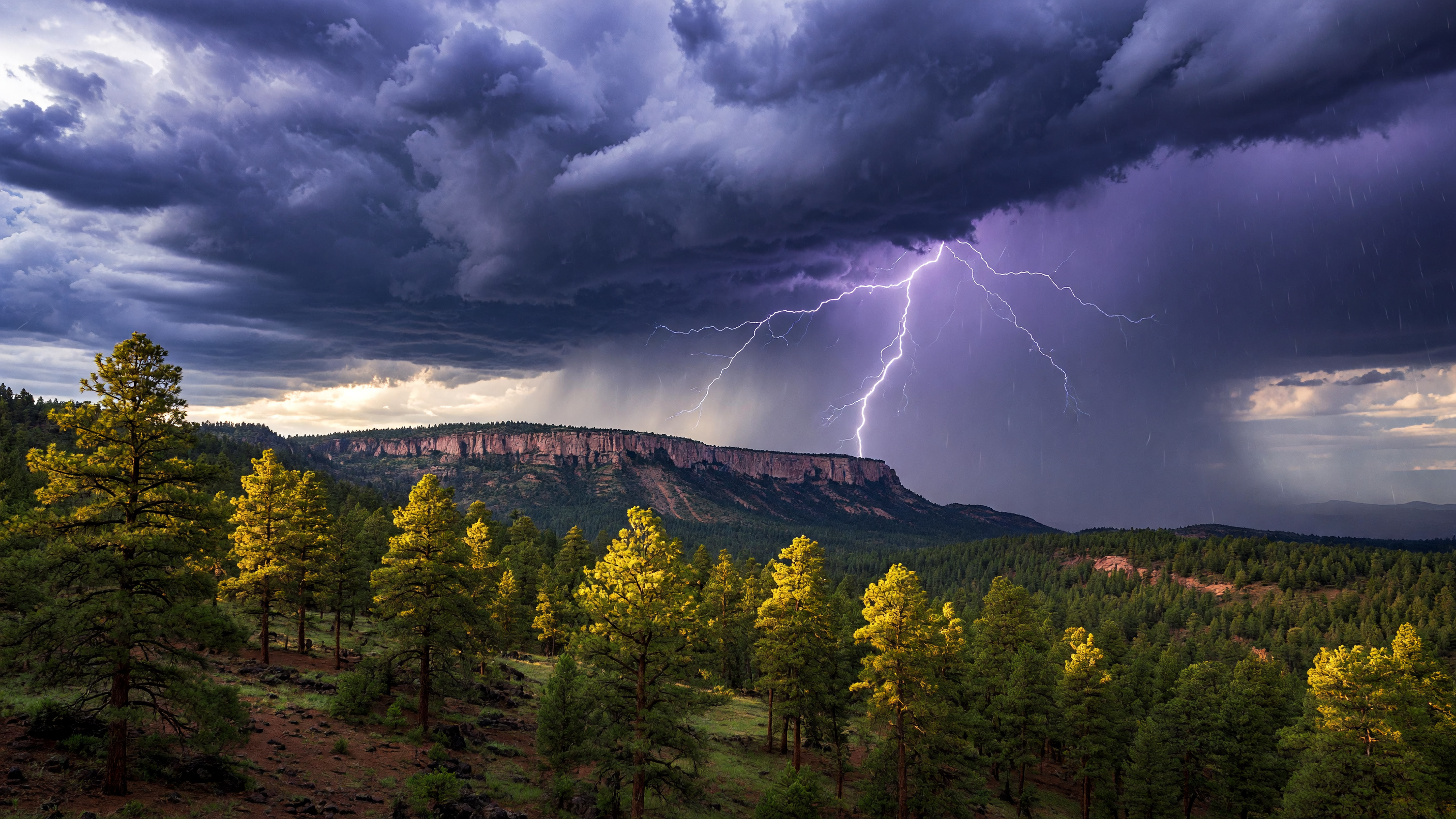
If you have spent a summer in Rim Country, you know the moment. It is mid-afternoon on a July day, the sky has been clear and blue for hours, and then you notice the clouds building over the Mogollon Rim. Within an hour, towering cumulonimbus columns rise thousands of feet into the atmosphere, the wind shifts, the temperature drops, and the first fat raindrops hit the hot pine needles with a sound and scent that is impossible to describe until you have experienced it. Welcome to monsoon season : the most dramatic, beautiful, and occasionally humbling weather phenomenon in Arizona. For buyers, sellers, and residents of Payson, Pine, Strawberry, Heber-Overgaard, and the surrounding Rim Country communities, the monsoon is not just a weather event. It is a defining feature of mountain living, and understanding it matters : whether you are evaluating a property, maintaining a home, or simply planning your weekend.

Retired Navy LCDR and ABR, GRI, PSA, RSPS certified agent serving Payson, Pine, Strawberry, Tonto Basin, and Rim Country.
When Does Monsoon Season Start?
The official Arizona monsoon season runs from June 15 through September 30, but the reality in Rim Country is that the meaningful rainfall typically begins in early to mid-July and peaks through August. The National Interagency Fire Center's July 2026 outlook indicates the monsoon pattern is expected to shift westward in August, bringing near to above-average rainfall to central Arizona : good news for a region that depends on these seasonal rains to recharge aquifers, green up the forest, and reduce wildfire risk heading into the fall.
The mechanics are straightforward: intense summer heating over the desert floor draws moisture northward from the Gulf of California and the Gulf of Mexico. When that moisture-laden air hits the Mogollon Rim and the higher terrain of Rim Country, it is forced upward, cools, and condenses into massive thunderstorms. The Rim acts as a natural trigger, which is why communities along and near the Rim : Payson, Pine, Strawberry, and Forest Lakes : tend to receive some of the most consistent monsoon rainfall in the region.
What Monsoon Storms Actually Look Like
If you have only experienced monsoon weather from the valley floor, Rim Country will surprise you. Down in Phoenix, a monsoon storm is often a wall of dust followed by brief, intense rain. Up here at 5,000 to 6,000 feet, the storms are something else entirely.
The clouds build slowly through the morning, often invisible from the valley below. By early afternoon, they are towering over the Rim : enormous, sculpted columns of white and gray that can reach 40,000 to 60,000 feet. The first sign of trouble is often the wind: a sudden, cool gust that sweeps through the pines and drops the temperature 15 or 20 degrees in minutes. Then comes the lightning : and Rim Country gets some of the most impressive lightning displays in Arizona. The Mogollon Rim is one of the most lightning-prone areas in the state, and storms can produce hundreds of strikes in a single cell.
The rain itself is intense but brief. A typical monsoon storm drops a quarter to a half inch of rain in 30 to 45 minutes, sometimes more. The water hits the hot forest floor and runs immediately : into creek beds, down dirt roads, through culverts, and across any low-lying area that was dry five minutes ago. Then, just as quickly as it arrived, the storm moves on, the clouds break, and the late afternoon sun comes out. The whole cycle : build, storm, clear : often repeats itself the next day.
Why Monsoon Season Matters for Homeowners
For current homeowners and anyone considering buying property in Rim Country, monsoon season is the annual test of a home's condition and a property's drainage. Here is what to pay attention to:
Roof condition: Monsoon rain comes down hard and fast. A roof in good condition sheds water efficiently. A roof with worn shingles, damaged flashing, or clogged valleys will leak : and the water intrusion can cause damage far beyond what the rain alone would suggest. Before monsoon season each year, I recommend having your roof inspected, especially if the home is more than 10 years old or has overhanging trees.
Gutters and drainage: Clogged gutters are the number one cause of monsoon-related water damage on mountain homes. Pine needles, leaves, and debris accumulate throughout the spring, and when a heavy storm arrives, overwhelmed gutters send water cascading down fascia boards, into soffits, and along foundation walls. Clean your gutters before July and make sure downspouts direct water away from the foundation.
Foundation and crawl space: Homes on sloped lots : which describes a large percentage of mountain properties : are particularly vulnerable to water pooling against the downhill side of the foundation. Check that grading slopes away from the structure, that window wells are clear, and that crawl space vents are screened to prevent wind-driven rain from entering.
Septic systems: Heavy rainfall can saturate drain fields, especially on clay-heavy soils or properties with shallow septic systems. If your property has a septic system, monsoon season is not the time to do load-intensive laundry or run multiple water fixtures simultaneously. Give the system time to process.
Well water quality: If your property relies on a well, heavy monsoon rains can temporarily affect water quality as surface water infiltrates the aquifer. This is usually temporary and self-correcting, but it is worth knowing : especially for buyers evaluating well water test results during the summer months.
Flash Floods: The Real Danger
Flash flooding is the most serious safety concern during monsoon season in Rim Country, and it deserves more attention than it typically gets. The combination of steep terrain, intense rainfall, and burn scars from past wildfires creates conditions where water can move with devastating speed.
Areas downstream of wildfire burn scars are particularly vulnerable. When a severe fire strips vegetation from a hillside, the soil loses its ability to absorb water. Subsequent monsoon storms can send fast-moving flows of water, mud, and debris through drainages that were previously considered safe. The Dude Fire burn scar, the Woodbury Fire scar, and the more recent Telegraph Fire scar have all created zones of elevated flash flood risk in the broader Rim Country region.
For homeowners and buyers, understanding your property's relationship to drainages and flood zones is critical. Properties near Tonto Creek, Ellison Creek, or any of the smaller drainages that feed into the major waterways should be evaluated for flood risk. FEMA flood maps provide a starting point, but they do not capture every risk : particularly in mountain terrain where drainage patterns can change with erosion and land use.
The practical advice is simple: never drive through flooded roadways. "Turn around, don't drown" is not a slogan : it is lifesaving guidance. Rim Country roads cross numerous washes and creek beds, and water can be waist-deep and moving fast even when it looks manageable. If you encounter water across a road, find another route. Every year, people underestimate the power of moving water.
Lightning Safety in the Mountains
The Mogollon Rim is one of the most lightning-active areas in Arizona. If you are hiking, fishing, or spending time outdoors during monsoon season, lightning is a genuine safety concern : not a theoretical one.
The key guidelines are straightforward: get off exposed ridges, hilltops, and open meadows before the storm arrives. If you hear thunder, you are close enough to be struck. Seek shelter in a hard-topped vehicle or a substantial building : not a tent, not a lean-to, and not under an isolated tree. If you are caught in the open with no shelter available, crouch low with your feet together, minimize your contact with the ground, and avoid being the tallest object in the area.
For homeowners, lightning strikes on structures do happen. A whole-house surge protector is a worthwhile investment to protect electronics and appliances. If you have a well pump, a surge protector on the electrical panel can prevent a lightning strike from disabling your water supply : a scenario that is more common in mountain communities than most people realize.
The Silver Lining: What Monsoon Season Gives Us
It would be easy to focus only on the hazards, but the monsoon is also the season that makes Rim Country's ecosystem thrive. The summer rains green up the forest, fill the creeks, recharge the wells, and bring the kind of lush, vibrant landscape that photographs never quite capture. After the rain passes and the sun breaks through, the forest practically glows : every pine needle wet, every wildflower open, the air clean and cool and scented with petrichor.
Monsoon season also marks the turning point in wildfire risk. As moisture levels rise and humidity increases, fire danger drops significantly. The rains that arrive in July and August are the reason Rim Country's fire season typically winds down by September. For homeowners who have spent May and June maintaining defensible space and worrying about fire restrictions, the monsoon brings genuine relief.
And for outdoor enthusiasts, the monsoon transforms the landscape. Creek flows increase, waterfalls that were dry in June come alive, and the Tonto Basin fills with the kind of dramatic scenery that draws photographers and hikers from across the state. Tonto Natural Bridge, just outside of Pine, is particularly spectacular during and after heavy rains : the waterfall at full flow, the travertine bridge glistening, the surrounding forest lush and green.
The Buyer's Checklist: Evaluating a Home During Monsoon Season
If you are house-hunting in Rim Country during July, August, or September, you have a unique advantage: you can see how a property performs during its most challenging weather. Here is what I recommend looking for:
Watch the storm hit: If possible, be at the property during or immediately after a monsoon storm. Look for active leaks, water staining on ceilings or walls, standing water near the foundation, and erosion on the hillside or driveway.
Check the drainage patterns: Where does the water go? Is there evidence of water flowing toward the house, pooling under the deck, or carving channels in the yard? Water always finds the path of least resistance, and a dry lot in May can become a muddy mess in July.
Ask about past flooding: Has the property experienced water intrusion during previous monsoons? How did the seller handle it? Are there sump pumps, French drains, or other drainage improvements in place?
Evaluate road access: Mountain roads : especially unpaved ones : can become impassable during heavy rain. If the property is accessed by a dirt or gravel road, drive it during a storm and see how it holds up. Washouts, ruts, and standing water on the access road can isolate a property for hours or even days.
Consider the insurance implications: Standard homeowner's insurance does not typically cover flood damage. If your property is in or near a mapped flood zone, a separate flood insurance policy may be warranted. Even if you are not in a mapped zone, the cost of evaluating the risk is minimal compared to the potential loss.
The Seller's Edge: Showcasing a Well-Maintained Home
For sellers, monsoon season can actually be an asset : if your home is well-maintained. A property that handles a heavy rain without leaking, with clean gutters, solid drainage, and dry crawl spaces, tells a buyer something that no staging or fresh paint can match: this home has been cared for. Conversely, a home with visible water stains, soft floors, or a soggy yard tells a different story.
If you are listing your home during monsoon season, take the opportunity to address any drainage issues before you go on the market. Clean the gutters, repair any known leaks, make sure the grading is correct, and document the improvements. A seller who can show a buyer that their home handles monsoon rain without issue has a meaningful advantage over one who cannot.
Living with the Monsoon: Embracing the Season
After years of living and working in Rim Country, I have come to see the monsoon as one of the things that makes this area genuinely special. It is not just weather : it is a seasonal rhythm that shapes daily life, connects the community, and sustains the ecosystem. The afternoon buildup, the dramatic lightning, the sudden downpour, the clearing sky : it is a show that repeats itself all summer, and it never gets old.
For current residents, the monsoon is a reminder to stay prepared, stay informed, and stay humble. The weather here commands respect, and the communities that thrive are the ones that prepare for it.
For buyers, the monsoon is a window into what life is really like here. If you visit in July and find yourself watching a storm roll over the Rim from your future deck : dry, comfortable, and surrounded by the pines : you will know this is home.
For sellers, the monsoon is an opportunity to demonstrate the quality and care that goes into mountain homeownership. A well-prepared home speaks for itself.
Whether you are buying, selling, or simply living your best mountain life, monsoon season is part of the package. And in my experience, it is one of the best parts.
If you have questions about monsoon preparedness, flood risk, or how the seasonal weather affects real estate values in Rim Country, reach out anytime. As your local expert with deep knowledge of the terrain, the climate, and the market, I am here to help you navigate every season with confidence.
Talk soon,
Steven